
"arabica cultivars"
60 article(s) found

Is Katim Catimor Robusta or arabica coffee? Which species does Katim belong to?
Professional coffee knowledge exchange more coffee bean information please follow the coffee workshop (Wechat official account cafe_style) this coffee is Colombia National Coffee Research Center (Cenicaf) released in 2005 a new hybrid with Robusta gene is Robusta! Orz (do not know what is Robusta? Anyway, it's caffeine.

What kinds of coffee do you have? What do the varieties and cultivars represent? Which coffee variety has the best quality?
Professional coffee knowledge exchange more coffee bean information please follow the coffee workshop (Wechat official account cafe_style)
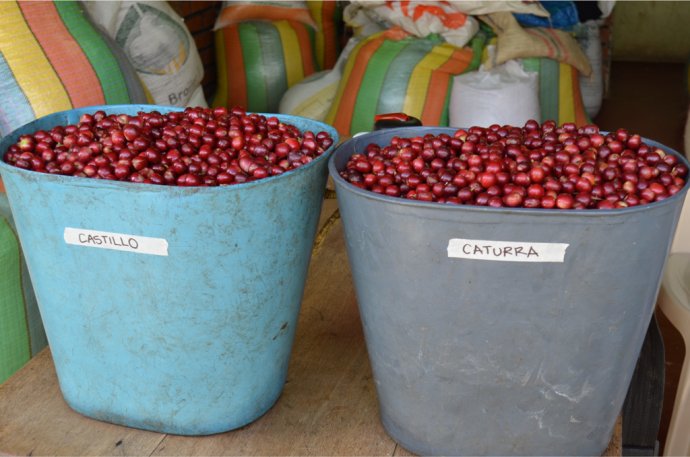
Arabica coffee varieties: Castillo Castillo Introduction
Professional barista exchanges, please pay attention to coffee workshop (Weixin Official Accounts cafe_style) Coffee varieties: Castillo Castillo introduced Castillo, or castillo variety, or castillo cultivar, is a coffee variety developed by Colombia Coffee Research Institute in 2005 based on enhanced plant disease resistance. It is currently the main cultivar in Colombia. ca

The relationship between the new coffee variety Castillo and Catimor is worse than Katim's Robusta.
Professional coffee knowledge exchange more coffee bean information please follow the coffee workshop (Wechat official account cafe_style) this morning Elixr saw a Colombian coffee variety is unseen Castillo of course, of course, try to drink it, it seems to be good to wait until half a cup, feel the heartbeat and tremble slightly feel wrong quickly look up the information on the Internet.

Does Catimorkatimo Coffee beans taste good? the Development and breeding process of Katim Coffee varieties
Professional Coffee knowledge Exchange more information on coffee beans Please follow the Coffee Workshop (official Wechat account cafe_style) Katim coffee beans were developed from a cross between rust-resistant Timor and Caturra in Portugal in 1959. Katim coffee beans are precocious and resistant to disease, and their yield is much higher than other varieties of commercial value. For this reason, we must be diligent in fertilizing

Introduction of Arabica Coffee Bean varieties and Flavor characteristics of Columbia Tabi Tabi Coffee Bean
Arabica Coffee Variety: Tabi Tabi, released by Columbia Coffee Institute (CENICAFE) in 2002, is the result of a study in pursuit of disease resistance and high quality flavor. Tabicultivar comes from the hybridization of Typica, Bourbon and Timor variants.

Coffee beans, coffee beans
Typica and Bourbon, two classic coffee varieties, are the main coffee cultivars in Yunnan Province. In 1991, Catimor series varieties (stronger virus resistance and higher yield) were introduced from Kenya. A variety of Arabian species (also known as small species). Because of the similarity of morphology and habits of these two varieties, they are often mixed and cultivated. Yunnan region
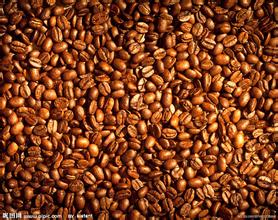
Flavor description of mantenin and Yunnan Arabica beans Grind scale Variety treatment Taste introduction
The two classic premium coffee varieties, Typica and Bourbon, are the main cultivars of Yunnan coffee. In 1991, Katimo Catimor series varieties (with stronger virus resistance and higher yield) were introduced from Kenya. It belongs to Arabian species (also known as small species)

How many varieties of coffee beans are there? what is the variety of Castillo coffee beans and what flavor is it?
For more information about coffee beans, please follow Coffee Workshop (Wechat cafe_style) Castillo, or castillo variety, or castillo cultivar, a coffee variety developed by Columbia Coffee Research Institute in 2005 to enhance plant disease resistance. At present, the main cultivated variety in Colombia is said to be genetically mixed with Robes.

Icatu
Icatu: Masterpiece of Brazilian multi-generation hybrid improved varieties. Arabusta, a hybrid Arabica and robusta, has improved yields and resistance to leaf rust in the past, but coffee flavor has been poor. Scientists then used Arabica varieties such as Arabica and Kadura, New World and Bourbon for multiple generations to reduce the bad taste of Robusta year by year and improve
Timor (Tim)
Timor: a hybrid of Arabica and Robusta found in East Timor, but closer to Arabica because its chromosomes are 44 in Arabica rather than 22 in Robusta. Tim's sour taste is low, lack of characteristics, Taiwan is often used to make low-cost formula beans, but East Timor also has washed high-altitude purebred Tibica, which has entered the boutique market in the United States

What are the characteristics of coffee?
Abyssinia is also a variety introduced to Java in 1928. Indonesia has some cultivation. Acaia is mainly cultivated in Brazil. This is derived from a natural cross of the Sumatra bourbon variety. Arabica is a large coffee variety category, also coffee variety, about 75

Which kind of coffee tastes better Guatemala Antigua coffee boutique coffee beans Guatemalan coffee beans
But if you add in the hybrids of Arabica and robusta, such as the variety Columbia (Variedad Colombia), which is the main variety of Colombian coffee, with 1/4 robusta pedigree, the classification of secondary coffee beans that are resistant to leaf rust and have high yields and mutations will be more complicated. Some Arabica coffee beans are quite close to the native species, and there are also

Practical information | Coffee genealogy collation
Coffea / Coffee consists of more than 120 species, usually opposite leaves, evergreen shrubs or small trees with horizontal branches. Contains opposite species, one side is flat, and the other side has grooves (right! It's coffee beans! ). Tropical forests are the preferred habitat for most coffee plants. There are about 60 coffee plants in the world.

What are the varieties of coffee beans? what are all the kinds of coffee beans?
Abyssinia (Abyssinia) was also introduced to Java in 1928. There are some plants in Indonesia. Acaia Arcadia is mainly grown in Brazil. This is derived from the natural cross of the Bourbon variety in Sumatra. Arabica (Arabica) is a large coffee variety category, also a coffee variety, about 75

The most classic iron pickup fine coffee beans cultivation geographical location climate altitude profile
Coffee fruits take longer to develop. Coffee arabica fruit ripens in 810 months, usually in December of the year. Rainfall has a great influence on fruit development, and climate conditions directly affect fruit development of Arabica coffee berries. Typica and Bourbon are the two classic high-quality coffee varieties. In 1991, they were re-cultivated.
Vera Saatchi (Villa Sarchi)
Vera Saatchi (Villa Sarchi): the bourbon variant, which was first discovered in Costa Rica in the six ○'s, has often appeared on the list of winners in competitions in recent years. Common cultivated varieties of coffee, types of coffee beans: Typica (Bourbon bourbon) gene mutants: Kenya [SL28] and [SL34] (bourbon line) Rosa (Geisha geisha)
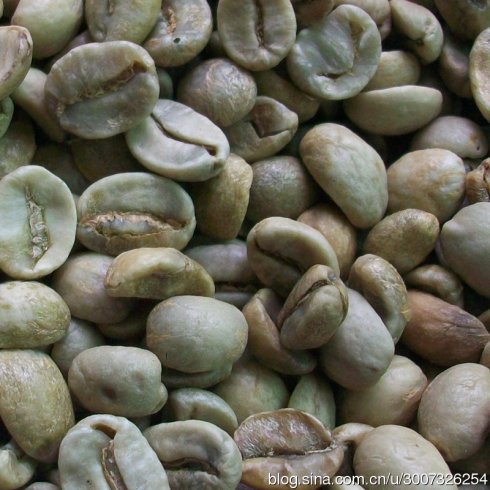
World Fine Coffee Bean Introduction: India Di Bika Hybrid Variety Kent
Kent: A hybrid variety of Tibica discovered in India with high yield and disease resistance, but has never won an international cup test. Common coffee cultivars, coffee bean types: Typica Bourbon Gene mutants: Kenya [SL28] and [SL34](Bourbon descent) Geisha

What is Arabica mother coffee? Introduction to Arabica Coffee varieties
Professional coffee knowledge exchange more coffee bean information Please pay attention to the coffee workshop (Wechat official account cafe_style) Coffee can be divided into three main varieties, namely, Arabica (Coffea arabica), Robusta Coffea canephora (Robusta) and Coffea liberica. Arabica is the main force of boutique coffee, suitable for growing at higher altitude

Introduction to the flavor and taste characteristics of Arabica coffee manor in Indonesia
West Africa, the origin of coffee grown in Liberia, has a strong adaptability to all kinds of environments, such as high or low temperature, humidity or dryness, except that it is not resistant to leaf rust and its flavor is worse than that of Arabica, so it is only traded or planted in some West African countries (Libya, C ô te d'Ivoire, etc.). Among the coffee in circulation in the world market, about